
Researcher amplifies patients’ voices through their art
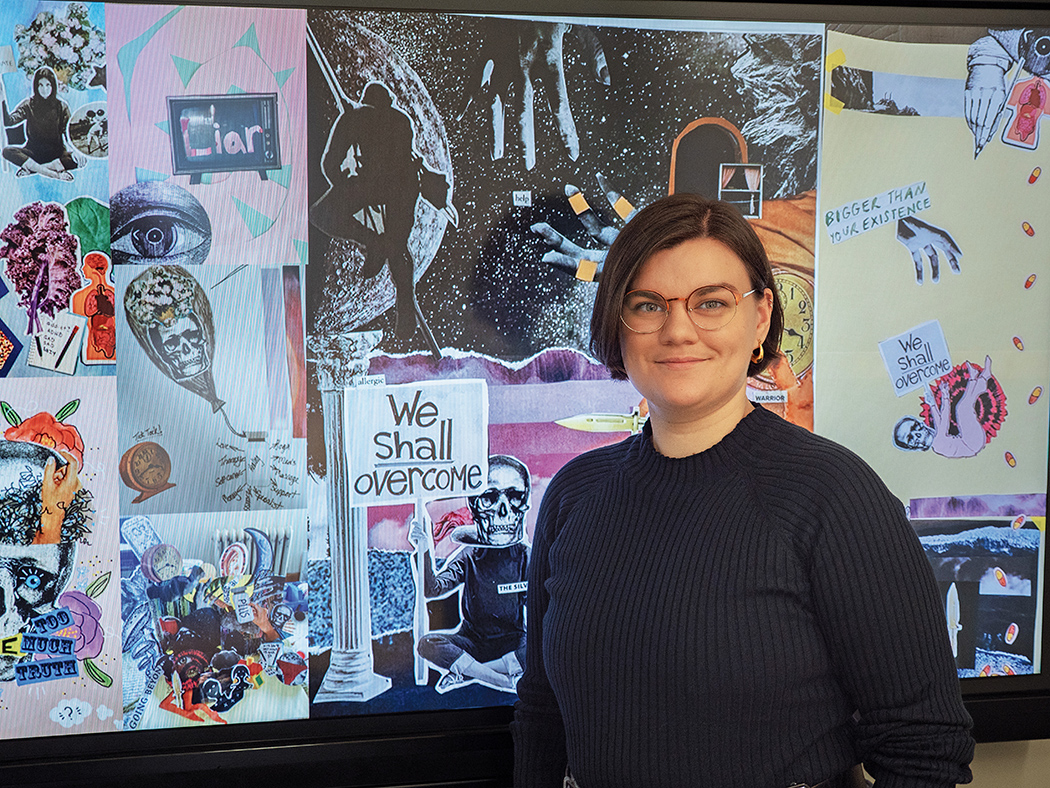
Art is playing a central role in research by Jen Sebring [M.Sc./22] on the experiences of people living with functional neurologicaldisorder (FND).
Sebring, a PhD candidate in the College of Community and Global Health, has firsthand experience of FND, a condition that causes multiple neurological symptoms without a clear medical cause.
“I was appalled by my experiences as a patient trying to find a diagnosis, and how difficult it was to get the care I needed,” they said.
FND symptoms can range from memory and concentration problems to speech disorders, limb weakness and seizures.
Patients are frequently shuffled between medical specialists. Many patients are accused of faking their symptoms because test results show nothing abnormal.
Sebring conducts qualitative research with people living with FND across Canada, incorporating arts-based methods.
“My goal is to raise awareness in the medical community and ensure patients’ perspectives are reflected in research andhealth-care education,” they said.
One research participant created a work titled It’s All in Your Head. Sebring has a website featuring artworks by participants: undoingdisorder.ca.
Symposium explores recruitment, retention of Indigenous faculty
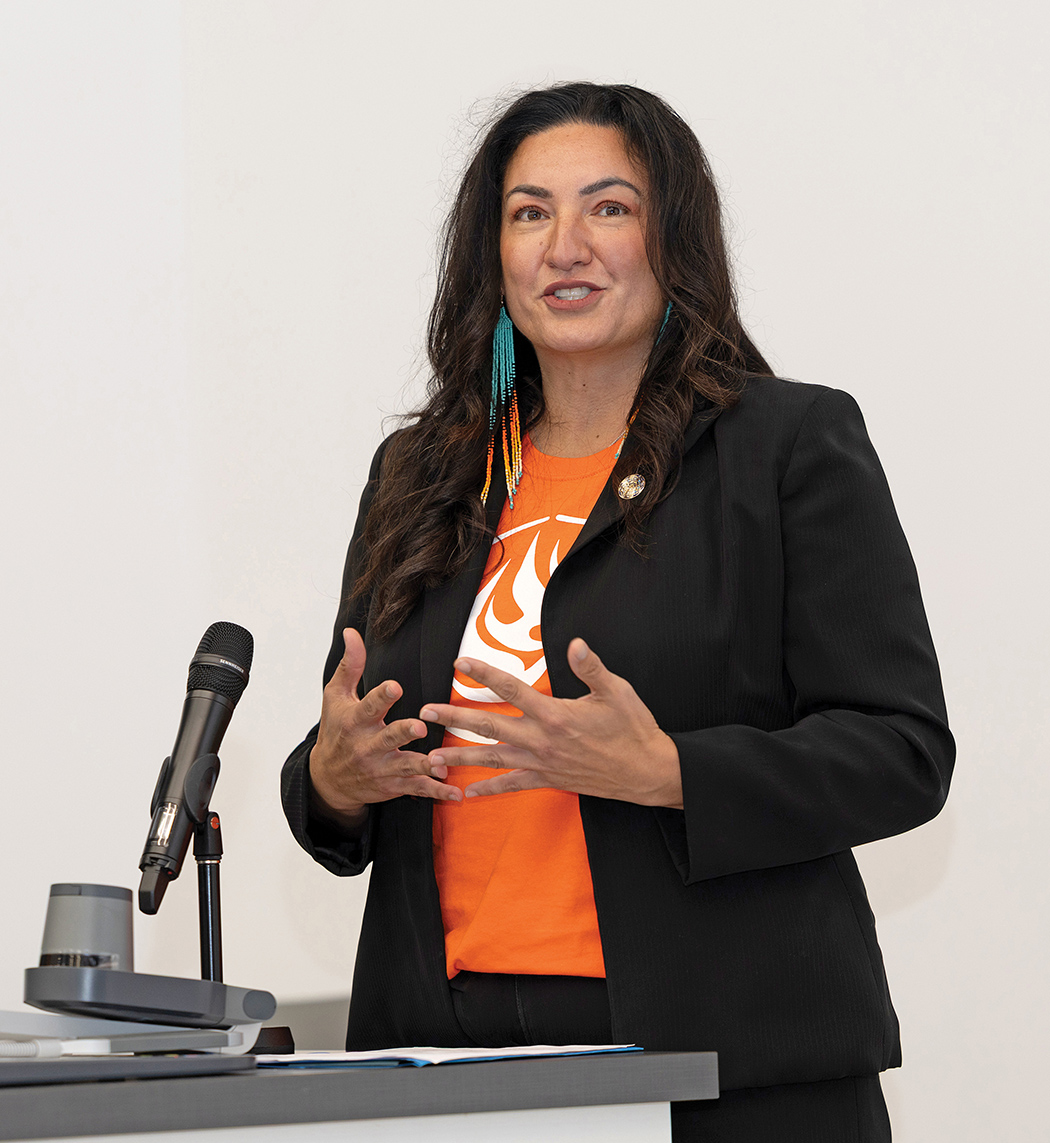
Increasing the number of Indigenous faculty members at UM requires a strategy to ensure that they are not just hired, but valued and supported, speakers said at a symposium in September.
“We must move beyond tokenism and towards a genuine commitment to inclusion, belonging and respect,” said Dr. Angie Bruce [MBA/09], vice-president (Indigenous) of the university.
Bruce was a keynote speaker at the symposium on the recruitment and retention of Indigenous scholars in the Rady Faculty. She said First Nations, Métis and Inuit faculty members often become exhausted from fighting to create space for Indigenous knowledge.
Panelists such as Wanda Phillips-Beck [M.Sc./10, PhD/22], Indigenous Research Chair in Nursing and Seven Generations Scholar at the First Nations Health and Social Secretariat of Manitoba, said the highest priority for many Indigenous scholars is to do research or clinical work that centres on their community’s needs.
The panelists called for policy change at UM so professionals across all health disciplines can maintain clinical roles in communities while holding faculty positions. Currently, only medical professionals have such flexibility.
The insights shared at the event will be used in formulating a strategy for attracting and retaining Indigenous scholars.
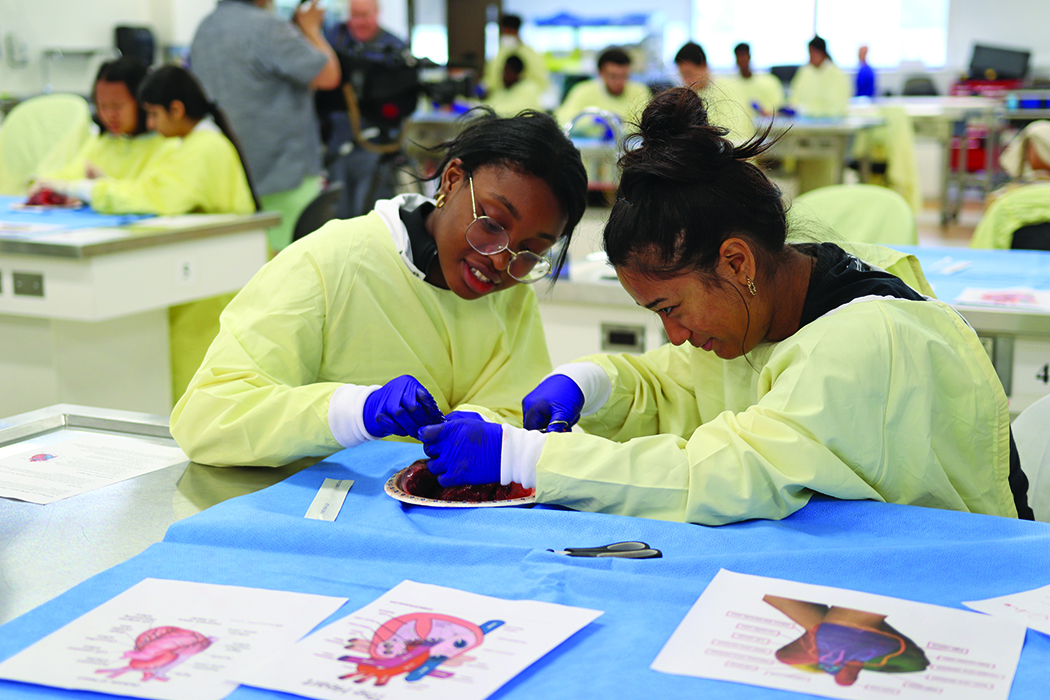 In July, the Rady Faculty held its first Biomedical Youth Program (BYP) Summer Camp since the COVID-19 pandemic.
The free, week-long day camp enables youth to explore careers in the health sciences. About 100 students from Grades 6 to 12 participated in activities ranging from DNA extraction to exploring Indigenous medicines.
One UM learner who mentors youth in science, Sean Ticsay, was a BYP participant himself in 2019 and is now a third-year pharmacy student.
Watch a video about the camp: www.instagram.com/p/DMinLiPAkgg.
Dental college team replaces jaw joint
In 2013, a car accident damaged Kindra Finley’s jaw. For the next decade, she could only eat soft food and found it difficult to speak.
“The pain was excruciating,” recalled the mother of four from Brandon, Man.
Despite undergoing four surgeries to address degenerative joint disease in her jaw, Finley continued to suffer.
Then Dr. Adnan Shah, department head of dental diagnostic and surgical sciences in the Dr. Gerald Niznick College of Dentistry, suggested jaw joint replacement surgery.
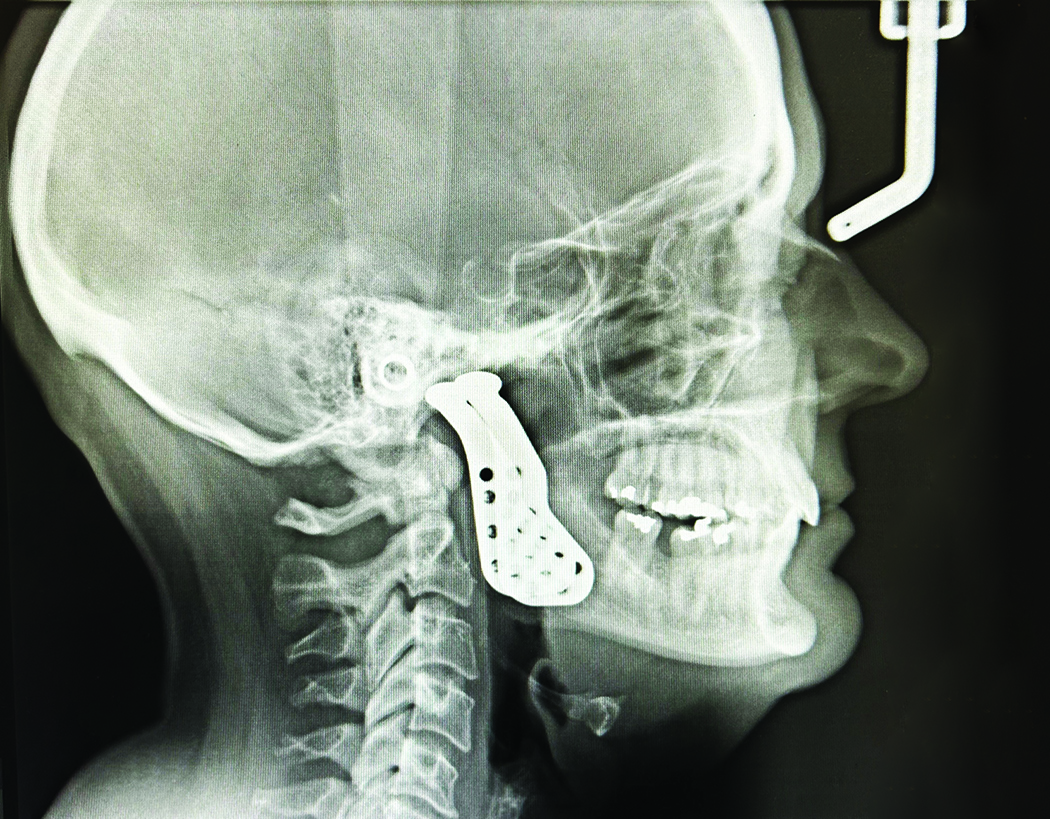
In April 2024 at Health Sciences Centre, Shah and his team of residents performed the first such surgery in the province on Finley. Manitoba patients are normally sent to Toronto for the surgery.
“We took a CT scan of Kindra’s face … and implants were made,” Shah said. “We took the diseased joint out and then placed the implants. We reconstructed part of the jawbone and the joint itself.”
Interviewed six months later by UM Today, Finley was pain-free and had normal jaw function.
Shah believes the procedure should be offered routinely in Manitoba. “After the surgery, patients no longer suffer,” he said.
Nursing prof leads research to improve youth services
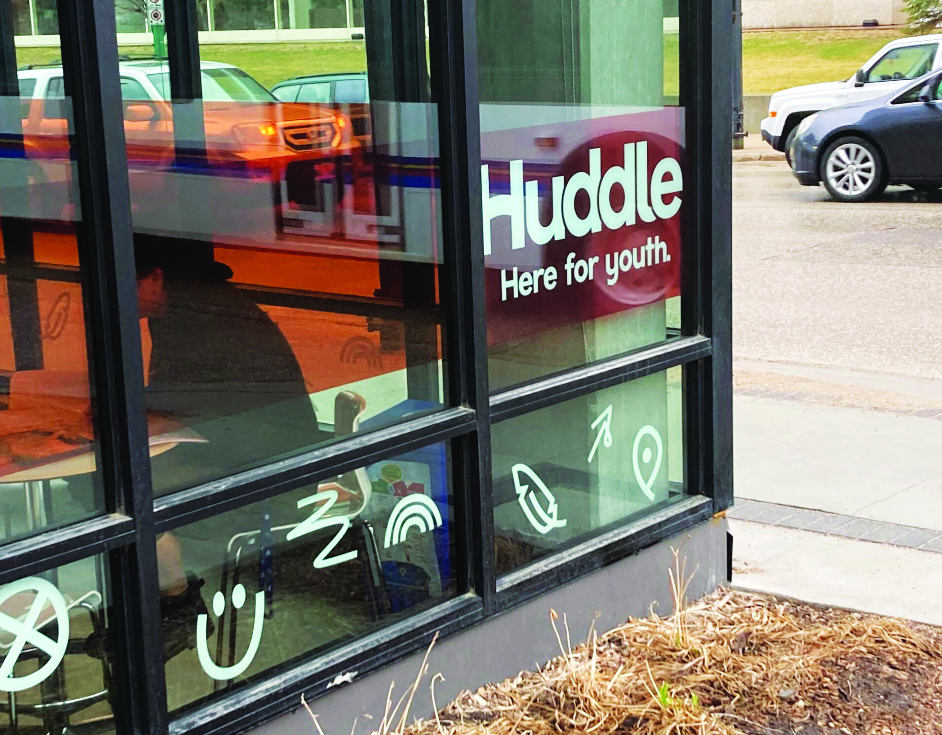
A new initiative focused on youth mental health was announced by the federal government in September.
The Canadian Institutes of Health Research (CIHR) and Indigenous Services Canada, with partners the Graham Boeckh Foundation (GBF) and Bell-GBF Partnership, are investing more than $30 million to strengthen research within the nationwide Integrated Youth Services (IYS) network.
IYS hubs are safe spaces that help young people to access mental health, substance use, housing and other services.
Manitoba has six IYS hubs – spaces known as Huddle – that collect data for Greenspace, a technology-based platform designed to improve how mental health and substance use services are delivered to youth.
Manitoba’s IYS research is led by Roberta Woodgate [BN/89, MN/93, PhD/01], distinguished professor of nursing and Canada Research Chair in child, youth and family engagement in health research and healthcare, who received funding of more than $2.1 million from the CIHR.
“This project will strengthen the Greenspace data platform across all Huddle sites to improve access to, and delivery of, youth mental health and substance use care,” Woodgate said.
Student investigates physio needs of cancer survivors
A grad student in rehabilitation sciences put out a call last June for Manitobans who had received cancer treatment over the past 10 years to participate in a survey about their physical rehabilitation needs.
Most cancer survivors experience long-lasting side effects, both from the illness and related treatments, said Denise Dreikluft [BMRPT/01], a UM-educated physiotherapist who is now a master’s student.
“I’m hoping to make an impact by raising awareness of the need for physiotherapy in oncology, and also get a better sense of the extent of side effects that people are dealing with,” she said.
The online survey was open until late October. “We’re hoping to get data from all types of cancer,” said Dreikluft, who has focused her clinical work on cancer rehabilitation for the past decade.
In 2019, Dreikluft founded PhysioCARE+, the only clinic in the province focused solely on cancer-related rehabilitation.
“Seeing first-hand the benefits of physical therapy for side effects brought me back to school,” she said. “My goal is to make this better known to the public and health-care providers, and hopefully spur some change in terms of accessibility.”
Oral health honorees recall positive influences
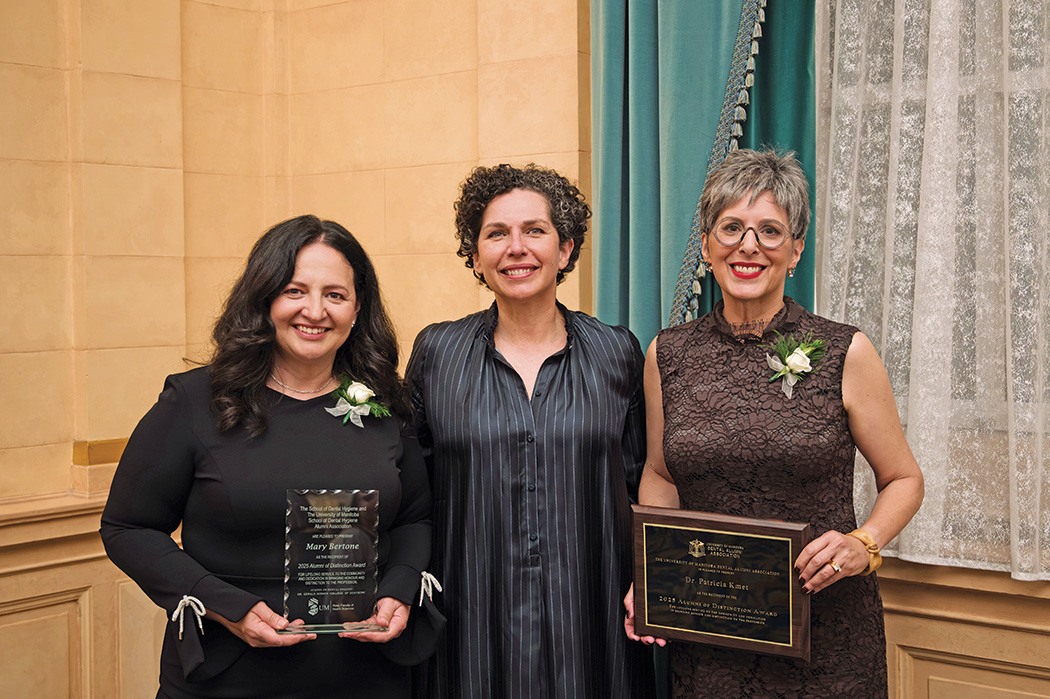
Social media didn’t exist when Patricia Kmet [B.Sc./83, DMD/87] studied dentistry in the 1980s. But there were “influencers” in the form of her professors.
“They promoted core values, clinical judgment, work ethic, tough love, respect and excellence in dentistry,” Kmet recalled while accepting the 2025 Alumni of Distinction Award from the UM Dental Alumni Association at a gala in September.
Kmet, a 1987 grad, practised at Regent Avenue Dental for 35 years, retiring in 2024. She served in many leadership roles and earned honours including the Manitoba Dental Association President’s Award of Merit.
Mary Bertone [Dip.D.Hyg./05, B.Sc.D.Hyg./11, MPH/15], director of the UM School of Dental Hygiene, received the Alumni of Distinction Award from the UM School of Dental Hygiene Alumni Association.
Bertone, whose accomplishments include serving as president of the Canadian Dental Hygienists Association, said her career was inspired by a hygienist who visited her class in elementary school.
“I wish I could go back in time and tell that little girl … the dream was worth it,” she said about her younger self.
The awards evening at the Fort Garry Hotel also honoured the Dentistry Class of 1975.
Study looks at experiences in neonatal intensive care
While working in a neonatal intensive care unit (NICU), nursing alum Ashley Bell [BN/19] noticed that some 2SLGBTQIA+ families were not receiving the same level of care as other families.
That observation led Bell, who identifies as queer, to return to UM to pursue a master’s degree, with a thesis on the experiences of 2SLGBTQIA+ families with an infant in a NICU.
Bell, who recently completed her master of nursing, incorporated arts-based methods into her study.
“Parents were provided instructions on creating a journey map – a way for them to creatively describe their journey, from the end stages of their pregnancy throughout their NICU stage, and then as they went home,” she said.
The findings, Bell said, underscore parents’ individuality – the unique factors of their identity, how that shapes their hospital experience, and the importance of having individuality recognized while receiving care.
“I’d like to develop an infographic to share recommendations and … integrate these findings into care,” Bell said.
Multi-faith Centre welcomes people of all backgrounds
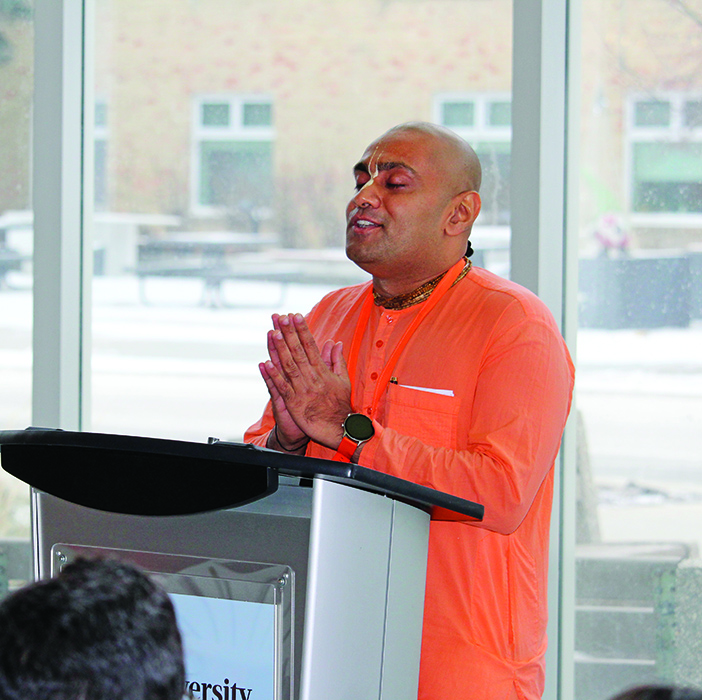
A new space has opened on the Bannatyne campus for members of the Rady Faculty community to practise their faith, explore their spirituality, or simply pause and reflect.
A dedication ceremony for the Bannatyne Multi-faith Centre was held in December.
Located on the lower level of the Brodie Centre in Room 078, the new space is open to students, faculty and staff of any faith.
Edgar French, spiritual care co-ordinator for the university, hosted the ceremony. Representatives of the Indigenous, Muslim, Buddhist, Jewish, Hindu, Christian and Sikh faiths brought greetings and prayers.
The centre is designed to be neutral and welcoming for all, with storage space for sacred texts and prayer mats.
“I can come in for a moment of reflection, mindfulness or to meditate,” said Prabhnoor Singh, president of the UM Students’ Union.
“Sometimes you just really need to pause and reflect … as well as give yourself space, time and energy.”
The space is available weekdays from 8:30 a.m. to 4:30 p.m. To find out more about guided mindfulness meditation gatherings, monthly Monday mass or to book privately, visit umanitoba.ca/studentsupports/spiritual-services.
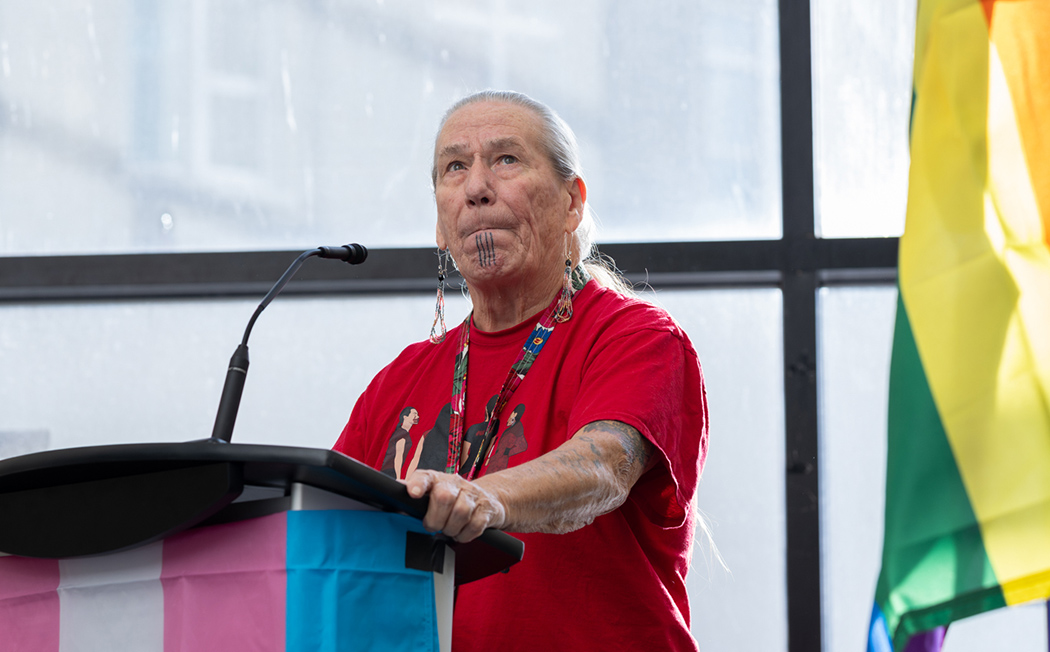
More than 60 people attended the first Transgender Day of Remembrance ceremony held on the Bannatyne campus.
The day is observed on Nov. 20 to remember transgender people who have been lost to transphobic violence, suicide and other violent deaths. Speakers called for safety for all trans people.
Elder Charlotte Nolin, a two-spirit Elder-in-residence at Ongomiizwin, urged those in attendance to speak out when they witness discrimination toward trans people.
Esteemed medical researcher co-founded Rh lab
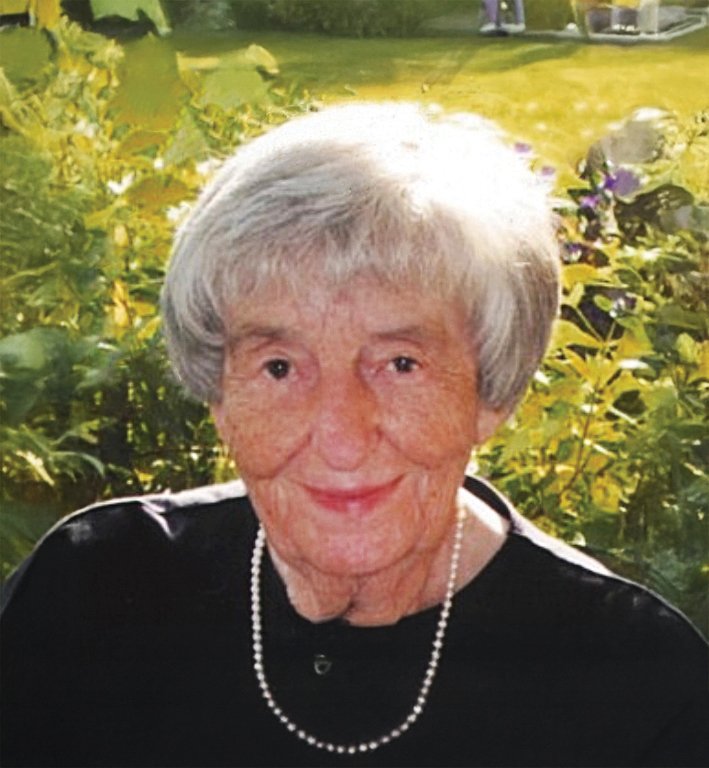
Marion Lewis [BA/60], who rose from working as a lab technician to authoring scientific publications and earning prestigious honours, passed away in October at the age of 100.
Lewis, a graduate of Winnipeg’s Gordon Bell High School, took training in medical laboratory technology. In the mid-1940s, she was hired by Bruce Chown [MD/1922] to develop the methods and protocol for a Winnipeg Rh laboratory.
She was credited with co-founding the facility, one of the earliest genetics labs in Canada. Lewis developed the methodology to detect all forms of Rh incompatibility. Her work contributed to making once-deadly Rh disease a preventable condition.
A gifted self-educator, Lewis expanded her research in immunohematology to include gene mapping. She chaired the first International Workshop on Monoclonal Antibodies in Paris in 1987.
Her outstanding expertise led to her becoming a professor of pediatrics and of human genetics at UM, where she was named professor emerita in 1996.
She was an honorary member of the Canadian Medical Association, an officer of the Order of Canada, and received several international scientific awards.
New drug earns kudos for pharmacy researcher
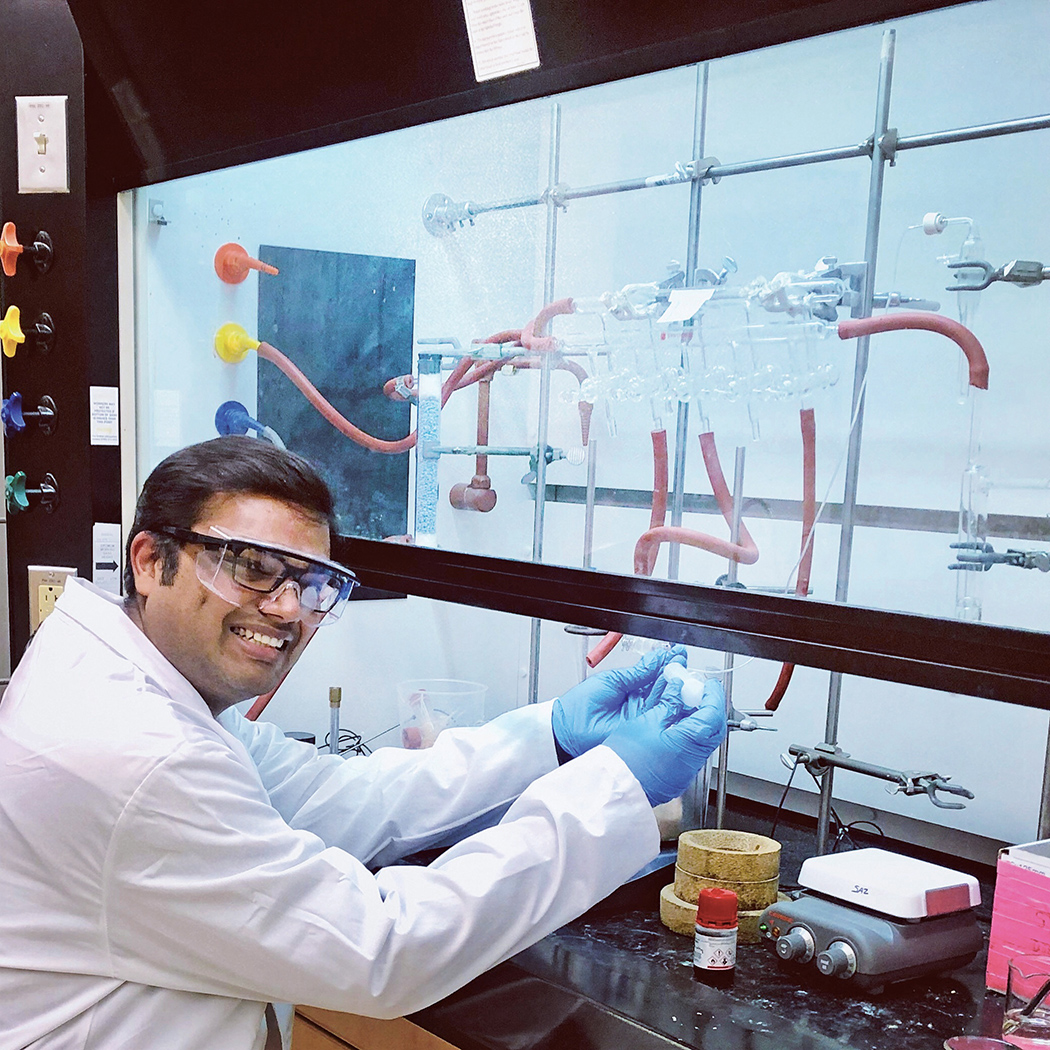 Nitesh Sanghai, a postdoctoral researcher in pharmacy, was one of 11 recipients nationwide of the 2025 Mitacs Innovation Awards, it was announced in November.
Mitacs is a not-for-profit organization that operates research and training programs in partnership with industry, government and academia. Sanghai was recognized for co-inventing a promising new drug to treat amyotrophic lateral sclerosis (ALS).
He told the Winnipeg Free Press that when he arrived in Canada in 2019 after earning his master’s degree in his home country of India, he had never heard of ALS, a debilitating neurodegenerative disease.
But he was soon collaborating with his UM supervisor, Dr. Geoffrey Tranmer, to create borsantrazole. Sanghai said the newly patented drug offers an improved version of edaravone, which is used to slow ALS progression.
While borsantrazole is still in the pre-clinical stage, Mitacs said Sanghai’s work is presenting “excellent safety and efficacy” in lab testing.
Sanghai hopes borsantrazole will attract investment. “We want the drug we created to be available to every Canadian in a cost-effective manner,” he told the Free Press.
Dean’s Prize honours extraordinary grad students
Nine master’s or doctoral students were awarded the Dean of the Rady Faculty of Health Sciences Graduate Student Achievement Prize in 2025. The prize recognizes exceptional academic achievement, notable personal service and leadership.
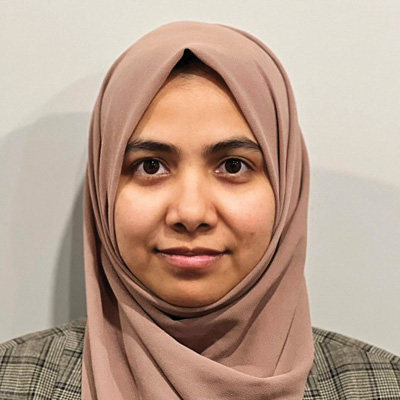 Nasiba Ahmed [M.Sc./22], a community and global health PhD candidate, aims to identify clusters of chronic health conditions that cooccur among people.
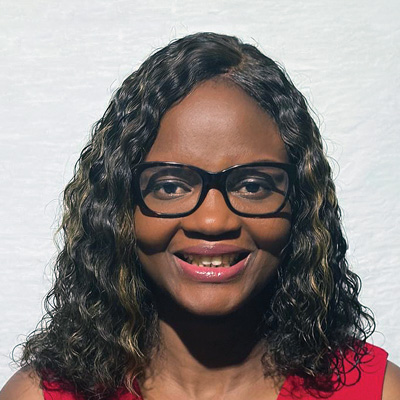 Eunice Assem-Erhaze, a nursing PhD student, studies how recent nursing grads with learning disabilities experience their first years of work.
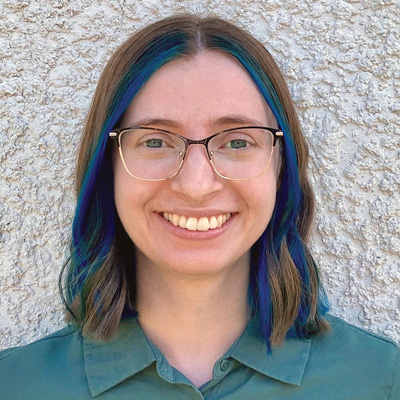 Ashley Bell [BN/19, MN/25], who received her master of nursing, explored the experiences of 2SLGBTQIA+ parents whose babies were in the neonatal intensive care unit.
 Deanne Nixie Miao [B.Sc. (Hons.)/21], a PhD student in biochemistry and medical genetics, aims to understand why a chemotherapy drug causes hearing loss.
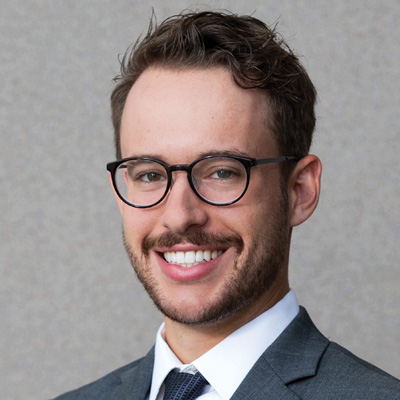 Derek Oryniak [B.Sc. (Dent.)/21, DMD/21], a master’s student in oral and maxillofacial surgery, compares novel treatment adjuncts to non-invasive surgery of the jaw joint.
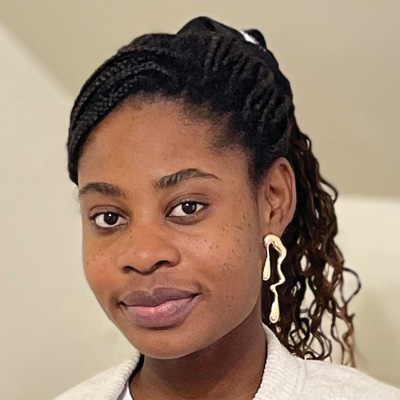 Mary Osunlusi, a master’s student in rehabilitation sciences, uses stories to understand how physiotherapists treat people in bigger bodies.
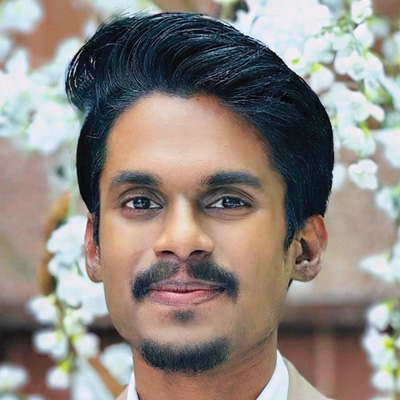 Ashraf Kadar Shahib, a PhD student in biochemistry and medical genetics, investigates how changes in the protein MeCP2 can cause problems in how brain cells work.
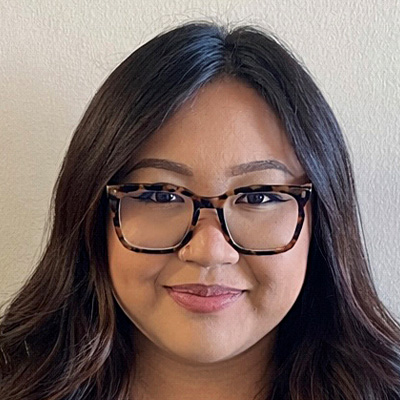 Jenna Villarba [B.Sc.Pharm/20], a pharmacy PhD student, explores opioid agonist therapy with the aim of improving treatment programs.
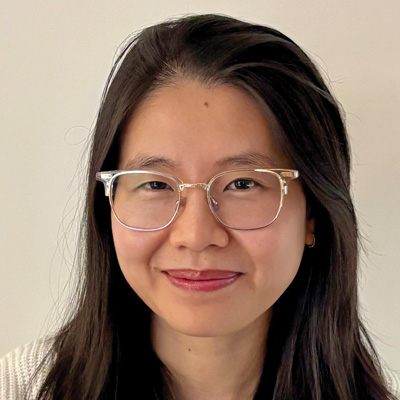 Yen Vuu [B.Sc.(Hons.)/21, M.Sc./24], a community and global health master’s student, studies whether children are more likely to develop autism or attention deficit hyperactivity disorder if their parents have the disorders.
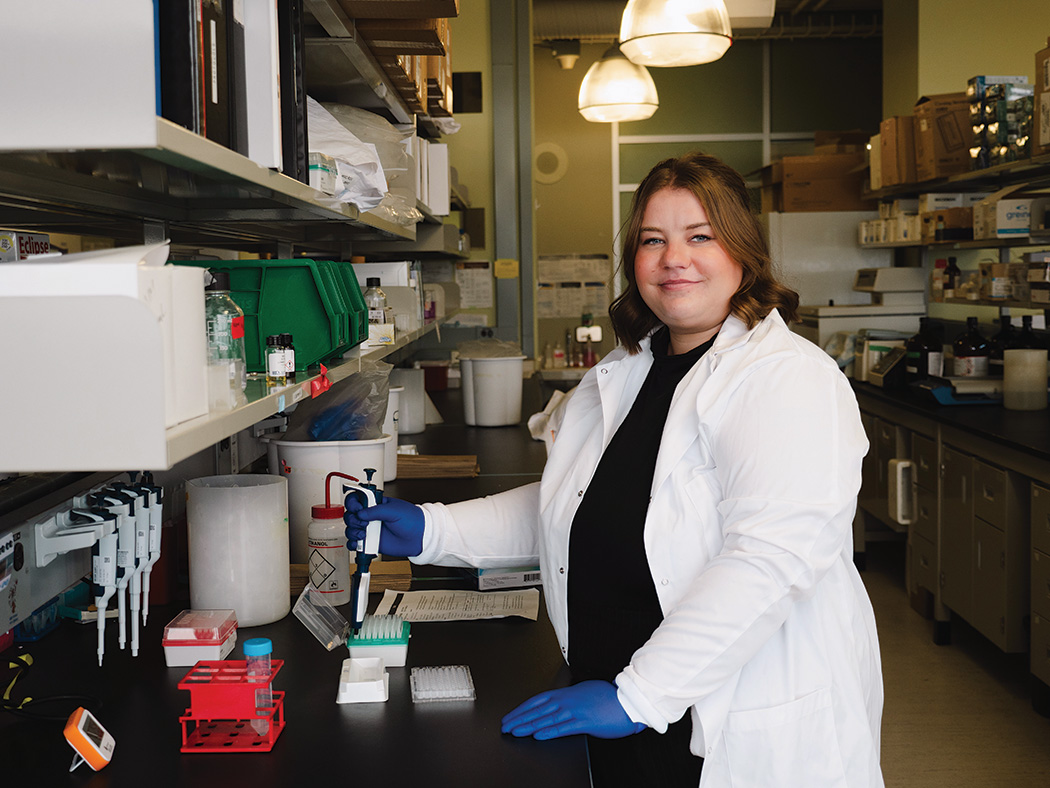 Courtney Marshall [B.Sc./21], a PhD candidate in immunology, presented her research in Halifax at the 2025 International Congress on Academic Medicine.
She won a nomination to attend a Lindau Nobel Laureate Meeting – a prestigious, global scientific conference in Germany where select young scientists network with Nobel laureates.
Marshall’s research aims to understand how a synthetic peptide can reduce airway inflammation in asthma, and whether it works differently in male and female mice.
New leader brings global vision to respiratory therapy department
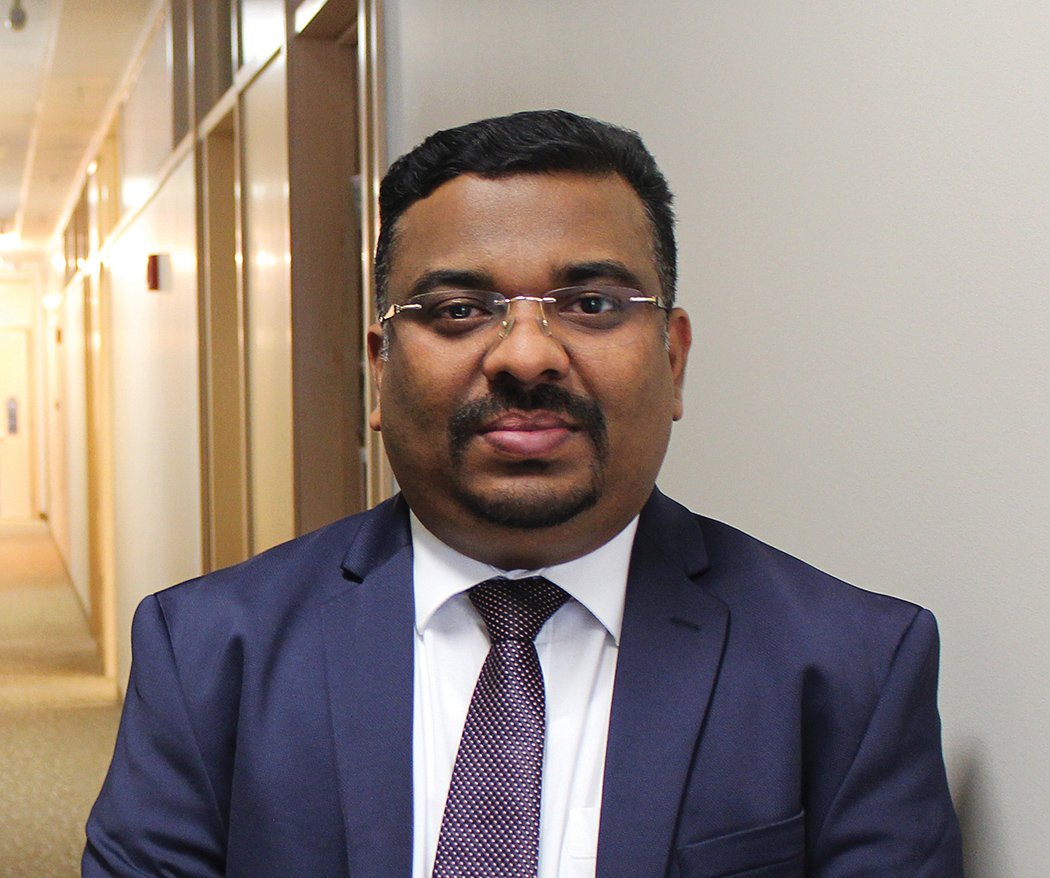
The new head of the respiratory therapy (RT) department in the College of Rehabilitation Sciences has been recognized by the American Association for Respiratory Care as the first person in the world to hold three degrees in RT, including a PhD.
Dr. Jithin Sreedharan, who joined UM in November, has worked in Qatar, Saudi Arabia and Singapore, as well as his home country of India.
He is considered an RT pioneer in India and has published extensively in the field.
One factor that drew Sreedharan to UM, he said, is that it offers Canada’s only English-language bachelor’s degree in RT – an ideal foundation for developing advanced degree programs.
He aims to position the department as a hub for innovation in respiratory care.
“My vision is to enhance our global visibility, increase research output and elevate the program,” he said.
Increasing awareness of respiratory therapy as a “fulfilling and impactful” career is also a priority, he said.
Clinic caters to travellers
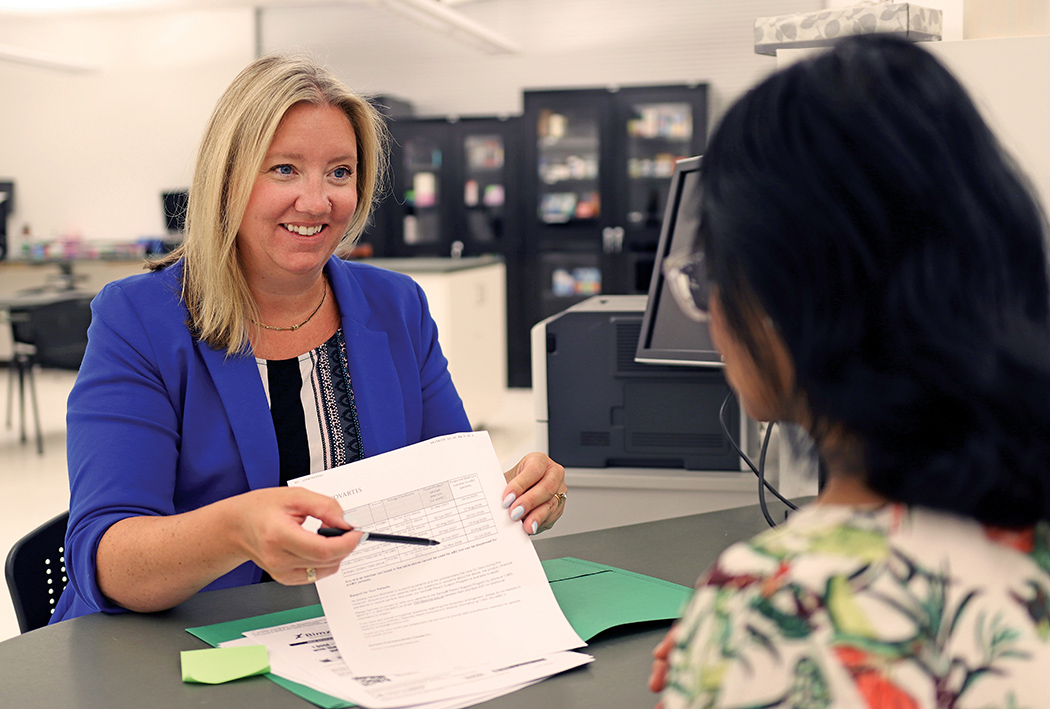
The travel health clinic at Steele’s Apothecary, operated by the College of Pharmacy in the Apotex Centre, now offers a wide range of services.
A pharmacist at Steele’s, trained in travel health, can provide recommendations based on a person’s destination and health profile and can administer vaccines.
“Sometimes travellers have a false sense of security, believing … that there is little to no risk, when it could be the opposite,” said pharmacist Britt Kural [B.Sc.Pharm/99], experiential education facilitator at the college, who provides services at the clinic.
Steele’s makes travel health services easily accessible on campus for Rady faculty, staff and students. It provides guidance on everything from malaria and altitude sickness prevention to traveller’s diarrhea and region-specific health risks.
Initial appointments are typically arranged within five business days. Travellers should book an appointment at least six weeks in advance of departure. To book a consultation, email steeles.apothecary@umanitoba.ca.
Study probes high rate of quitting among health-care aides
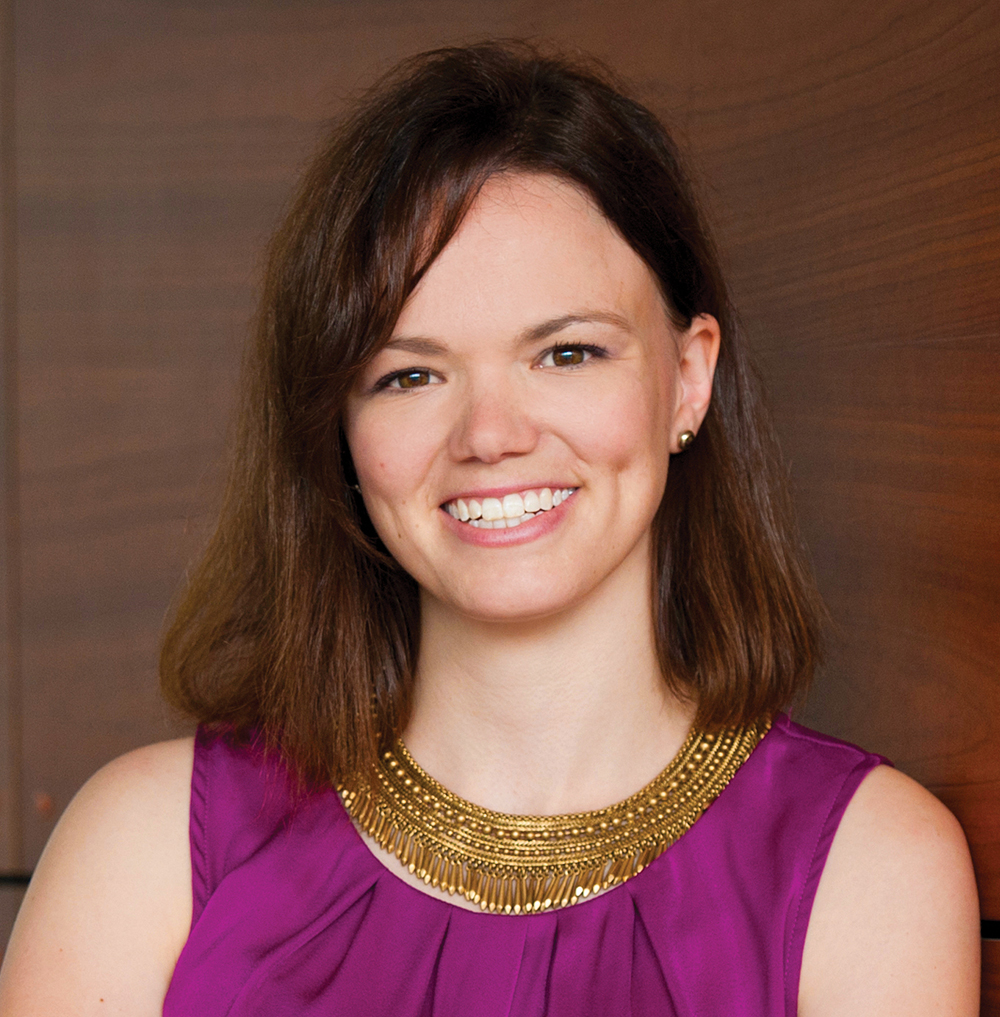
Dr. Christine Kelly [MA/07], associate professor in the College of Community and Global Health, has received nearly $1 million from the Canadian Institutes of Health Research for a four-year study of health-care aides (HCAs) in Manitoba.
Kelly, an expert on home care and the care workforce, aims to learn what can be done to recruit, support and retain these employees, who do essential work in home-care programs and personal care homes.
“Research shows that as many as 40 per cent of recently graduated HCAs will leave their job within the first year of employment,” the professor said.
“The period during and immediately following training is a key time for understanding what is happening with these workers.”
All five public colleges that train HCAs – RRC Polytech, Assiniboine Community College, Université de Saint-Boniface, Manitoba Institute of Trades and Technology and University College of the North – are involved in the provincewide study.
The project will follow HCAs from the start of their training and into their first year of employment. Based on the findings, Kelly’s team will make recommendations for colleges, policy-makers and employers.
Allergy expert led pioneering research
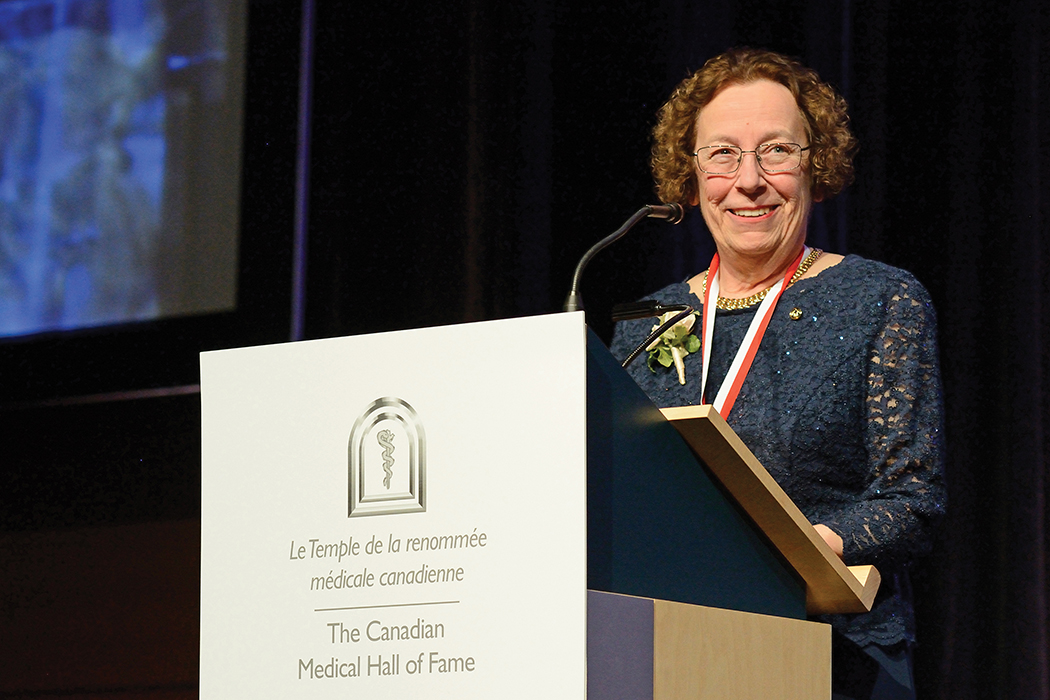
Estelle Simons [B.Sc./65, MD/69], a professor emerita who served in the departments of pediatrics and child health and immunology, passed away in November at age 80.
Simons, one of the first pediatrician clinician-scientists in Canada, became internationally renowned for groundbreaking research on the pharmacologic management of allergic diseases.
Born and raised in Vancouver, she earned her bachelor of science and medical degree at UM, then studied pediatrics and immunology at the University of Washington.
In 1975, she founded the allergy and clinical immunology section of the UM pediatrics department and served as section head until 2005.
She led a team that tested medications to treat conditions such as asthma, allergic rhinitis and hives. She published lab-based, hospital-based and community-based investigations of anaphylaxis and epinephrine (adrenaline), including unique studies of epinephrine auto-injectors (epi-pens).
Among her many honours, Simons was a fellow of the Royal Society of Canada and of the Canadian Academy of Health Sciences.
She was inducted into the Canadian Medical Hall of Fame in 2017 and appointed to the Order of Canada in 2024.
 The Rady Faculty of Health Sciences Office of Communications & Marketing has launched a monthly podcast called RadyUS.
Available on Spotify, YouTube, Apple Podcasts and UMFM it will help you catch up on Rady headlines and meet our faculty, staff, learners and alumni who are making news.
Outstanding investigator
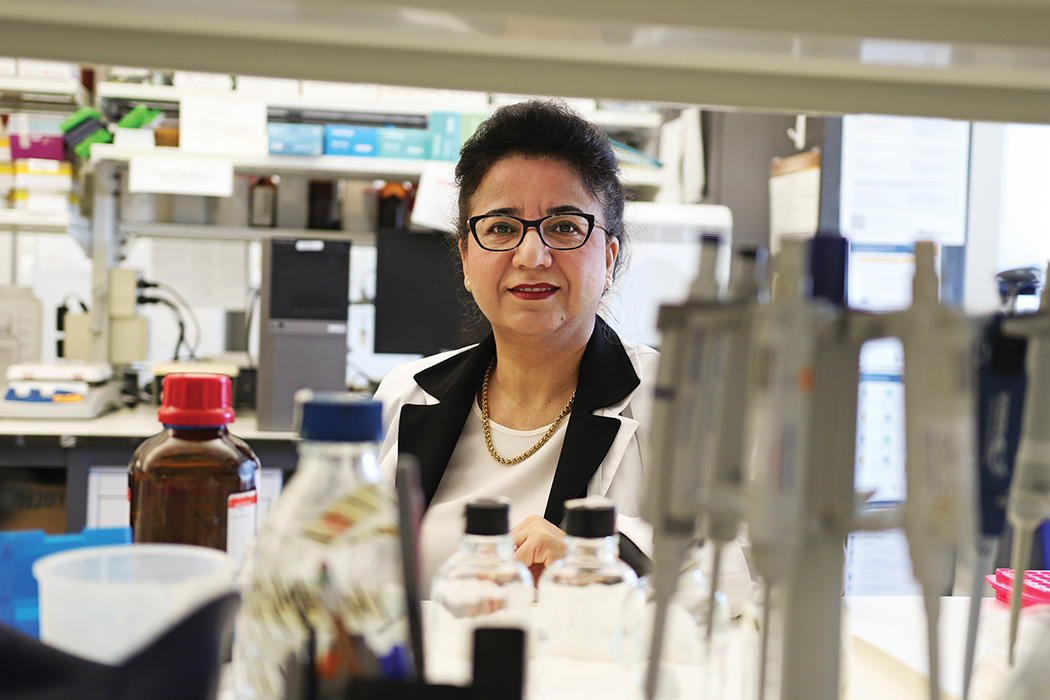 Dr. Mojgan Rastegar, professor of biochemistry and medical genetics, was named one of Canada’s Top 100 Most Powerful Women of 2025. The annual list is compiled by the Women’s Executive Network, a national organization that celebrates the advancement of women.
Rastegar was recognized in the STEM (science, technology, engineering and mathematics) category. Her leading-edge lab at UM investigates the molecular and cellular mechanisms that lead to compromised brain function in neurodevelopmental disorders.
As an internationally recognized researcher on Rett syndrome – a rare, incurable disorder – Rastegar founded the unique-in-Canada Human Rett Syndrome Brain Bio-Repository at the Children’s Hospital Research Institute of Manitoba. It enables families to donate loved ones’ post-mortem brain tissues for study.
Her leadership roles have included chairing the stem cell oversight committee of the Canadian Institutes of Health Research.