
Of the four highly accomplished UM graduate students who received prestigious Vanier Canada Graduate Scholarships in 2025, three are from the Rady Faculty of Health Sciences.
These learners are among 166 PhD students from across Canada who were named Vanier Scholars in 2025. Each receives $150,000 over three years to support their doctoral research.
Scholars are chosen for their academic excellence, research potential and leadership.
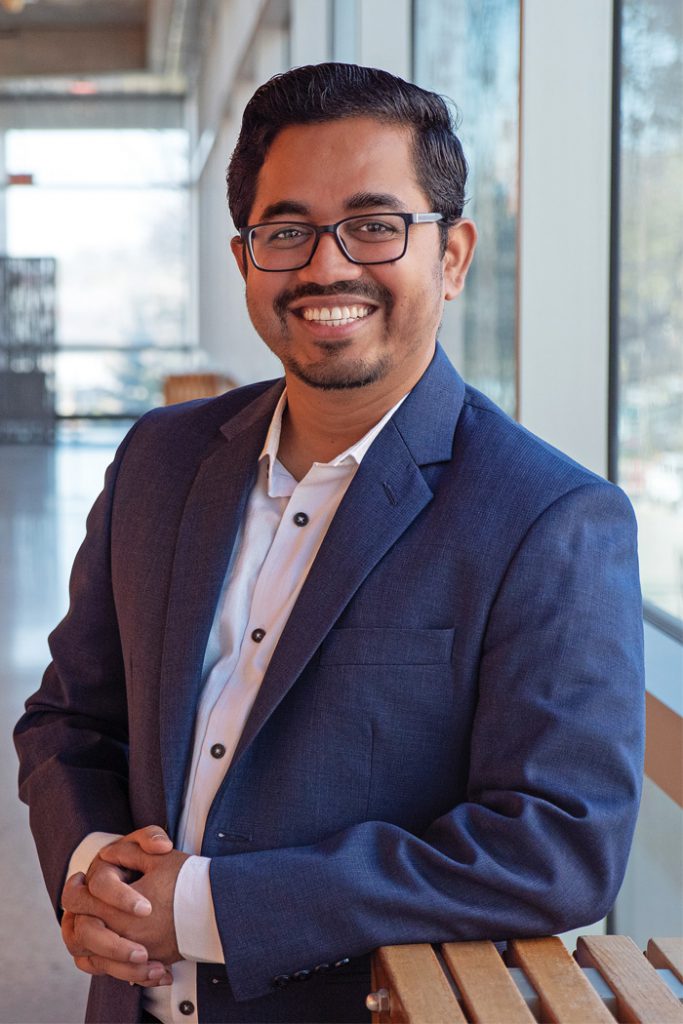
Md. Abdul Aziz, a PhD student in the College of Pharmacy, is studying patterns of antidepressant use in Manitoba, and why some patients with mental health disorders stop taking their medications.
Aziz’s research brings together pharmacoepidemiology (the study of the use, safety and effectiveness of drugs in large groups of people) and pharmacogenomics (how a person’s genetic makeup affects their response to medications).
He is studying anonymous health data stored in the Manitoba Population Research Data Repository at UM’s Manitoba Centre for Health Policy. “I study how long people stay on their medication and why they stop, as well as what other antidepressant and non-antidepressant drugs [they take],” he said.
“I’m also studying how commonly prescribed antidepressants are dispensed, especially those affected by genetics, which can change how well the drugs work. These trends could inform the development of pharmacogenomic testing facilities for mental health care.”
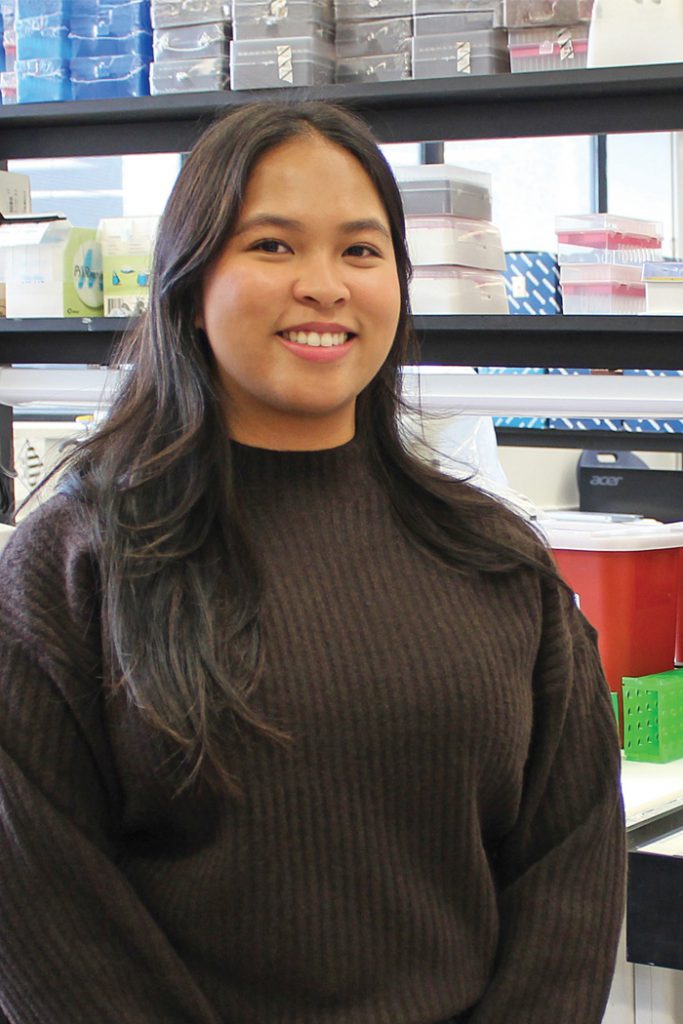
Deanne Nixie Miao [B.Sc.(Hons.)/21], a PhD student in biochemistry and medical genetics in the Max Rady College of Medicine, is studying the genetics of permanent hearing loss caused by cisplatin, a widely used cancer drug.
This adverse effect, known as cisplatin-induced ototoxicity, is more likely to affect certain people, depending on their genetic profile. Miao is using cutting-edge single-cell technologies to identify the specific genes, biological pathways and ear cell types that are affected by the drug.
“I’m developing a polygenic score to show how likely an individual is to develop hearing loss after receiving cisplatin,” she said.
“This would allow patients to know their risk before treatment begins, enabling more informed decisions about their care.”
Miao, who has a strong research interest in pharmacogenomics, hopes her work will identify genes that could, in the future, be targeted with drugs to protect the hearing of patients receiving cisplatin.
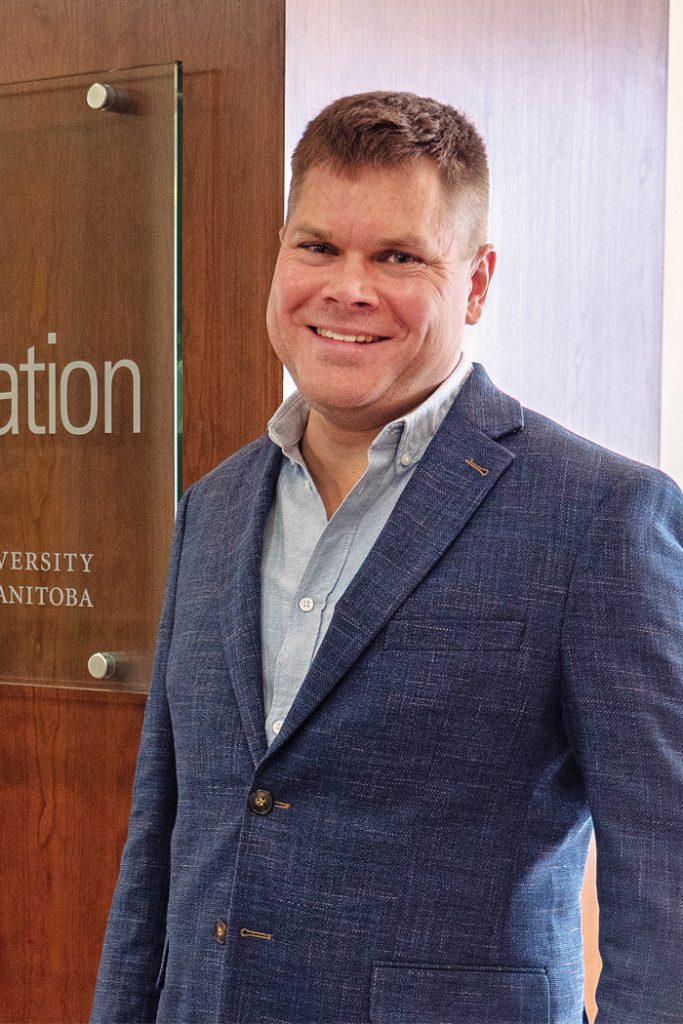
Barret Monchka [B.C.Sc.(Hons.)/15, M.Sc./21] is a PhD student in the College of Community and Global Health. Like Aziz, he is focused on population data, but his quest is to improve data-linkage techniques to enhance research reliability, efficiency and privacy protection.
Monchka aims to improve how researchers link data from multiple sources, such as health, education and income records.
“Better linkage helps us understand how social factors like education influence health,” he said.
Linking data across systems can be challenging, he added. “For example, schools and health-care systems use different identifiers, so we rely on nonunique information like names and birthdates, which can lead to mismatches.”
Monchka is investigating whether artificial intelligence can improve these datasets. “I’m also evaluating privacy-protecting techniques that encrypt personal information before linking, and assessing whether using AI to accelerate linkage increases errors or introduces bias,” he said.